Science and STEM courses for kids in Egypt
Looking for science or STEM courses for kids in Egypt? STEM and technology programmes can turn curiosity into a process: ask a question, build something, test it and improve it. Parents can use goKidz to discover science, coding, robotics and educational technology options by age and location. This guide focuses on practical signs of a programme where children actively think and make rather than watch an instructor complete every step.
Current science and STEM programmes on goKidz


DR. Sohila Hesham| Science & Biology Educator
Biology, Science with DR. Sohila Hesham| Science & Biology Educator
Starting from
EGP 216
No photo
Mostafa Magdy
Mathematics with Mostafa Magdy
Starting from
EGP 229.5
No photo
Yasmeen Sayed
Mathematics with Yasmeen Sayed
Starting from
EGP 93.6
No photo
Dr.Rana
Mathematics, English, Arabic with Dr.Rana
Starting from
EGP 270
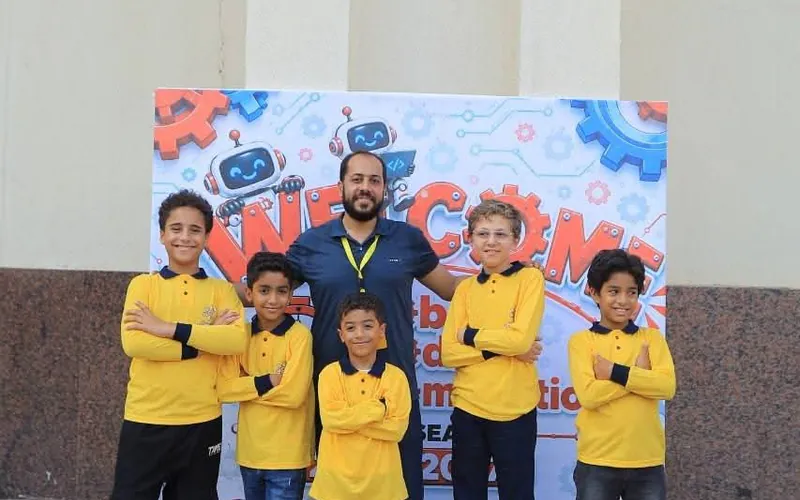
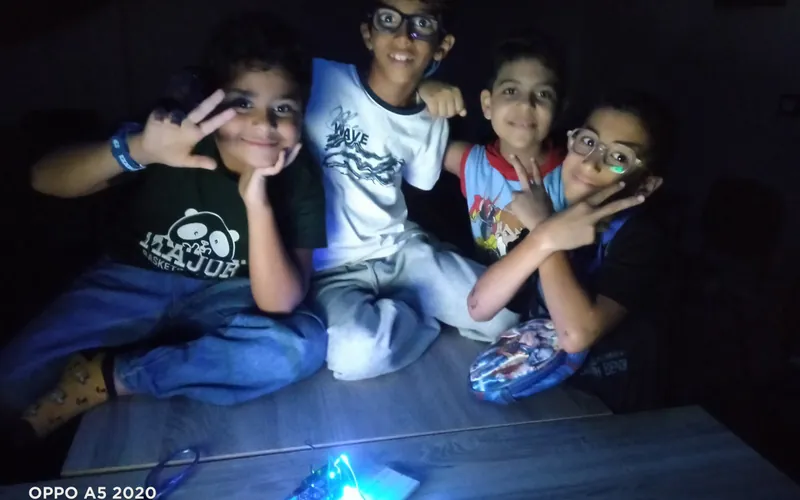
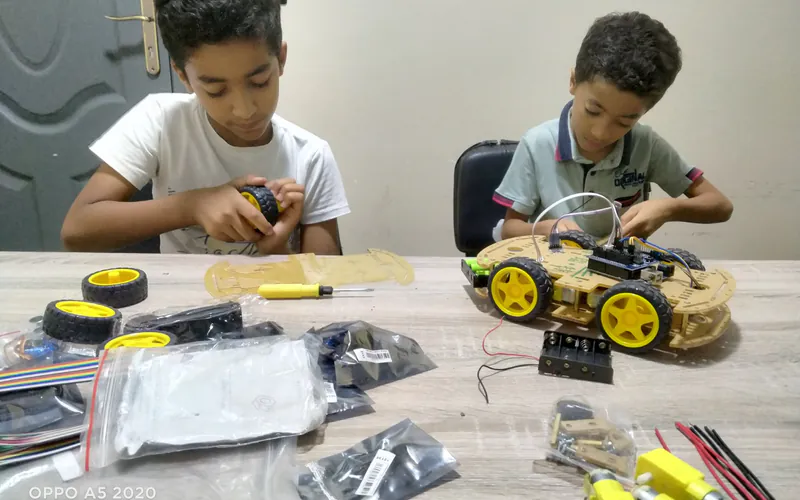
Elakkad STEM School
STEM Program
Starting from
EGP 2,295
No photo
banan.math.igcse
Mathematics with banan.math.igcse
Starting from
EGP 396
Ask what the child will actually do
Request an example of a typical project and the decisions children make themselves. Science experiments, coding, electronics, engineering and robotics use different tools, but each should give children meaningful practice. Be cautious when most of the session is demonstration or when the promised outcome is far beyond the course length.
Check prerequisites and equipment
Confirm the required reading, maths, typing or computer experience instead of assuming the age label answers everything. Ask whether laptops, kits, accounts and software are provided, whether children work alone or share, and whether any paid tools are needed after the course.
Look for debugging and iteration
A good technical or science session allows things not to work immediately. Ask how instructors help children investigate errors or unexpected results without simply taking over. Explaining a failed attempt, changing one variable and testing again are valuable parts of learning, even when the final project looks less polished.
Balance screen time with active work
Technology education does not have to mean passive screen time. Many programmes combine planning, discussion, physical building, experiments, drawing and presentation. Ask about breaks, online safety, account use and how children share work. For online courses, check the support needed at home before the first session.
Understand coding, robotics and STEM
Coding focuses on instructions and computational thinking; robotics may combine code with sensors and physical building; STEM can also include science, engineering and mathematics projects. These labels overlap, so ask what a child will actually design, test or explain during the course.
Choose a level and tool that fit
Visual block coding can introduce logic without heavy typing, while text-based programming may suit older or experienced learners. Robotics kits and game development tools have different requirements. Ask about prerequisites, accounts, device specifications and whether equipment is shared or provided.
Judge learning beyond the final demo
A polished robot or game may be based on a template. Ask children to explain a choice, identify a problem and describe how they changed their work. Ownership, debugging and reflection are stronger signs of learning than a project that simply runs at the end.
Explore STEM options on goKidz
When you are ready, explore STEM and technology programs on goKidz and compare projects, tools and age fit. Ask what the child will build and debug, not only what the course title promises. For coding-specific searches use the programming guide; for robot-building use the robotics guide.
Frequently asked questions
What are the best science courses for kids in Egypt?
The best fit matches age, project style and a schedule your child can keep. Compare current goKidz STEM listings for experiments, coding or robotics rather than relying on a single ranked list.
Does my child need coding experience?
Beginner programs should state that no prior experience is needed. For other courses, ask about specific skills rather than relying on broad labels such as beginner or intermediate.
Should children bring their own laptop?
Requirements vary. Confirm the device, operating system, software, accounts and whether shared equipment is available before paying.
How is science different from coding or robotics?
Science courses emphasise questions, observation and experiments. Coding focuses on software instructions. Robotics adds physical building and sensors. Many STEM programmes combine elements; read the project plan on each listing.
Where can I find STEM courses for kids in Cairo?
Browse STEM programmes on goKidz and filter Cairo areas, then confirm the branch, tools and timetable. Use the dedicated programming and robotics guides when you already know that intent.
What is the difference between coding and robotics?
Coding creates instructions for software; robotics applies instructions to physical components and sensors. A program may teach one or combine both. Use the dedicated programming and robotics guides when you already know which intent you want.
What age should children start coding?
There is no single starting age. The teaching method, reading demands, session length and child’s interest should match their stage.
Is STEM only for children who are strong at maths?
No. STEM can involve curiosity, design, teamwork and testing as well as mathematics. Ask how the program supports different starting skills.
How do I assess an AI course for children?
Ask what AI concept is taught, what children create, which tools and accounts are used, and how privacy, accuracy and responsible use are discussed. Dedicated AI pages are not separate on goKidz yet; compare AI-labelled listings within STEM and programming carefully so the buzzword does not replace a clear project plan.
Is game development educational?
It can combine logic, design, storytelling and iteration when children actively build and explain a project rather than only play or copy steps.
How much screen time does a technology course involve?
It varies. Ask for the balance of planning, discussion, building, coding and breaks, and include any required practice at home.
Can I find coding and STEM programs on goKidz?
Yes. goKidz lists STEM, coding and technology courses so you can compare age, tools, projects and device requirements before enrolling.
Are there science courses for kids in Egypt on goKidz?
Yes, when providers list experiment-led or STEM science programmes. Use this umbrella guide for the wider category, then confirm what children observe, test and explain in each session.